

Welcome to the Alexander Technique Center at Cambridge

Recipient, Best of Cambridge Award for Holistic and Alternative Health for Three Consecutive Years (2016-2018)!
Let me introduce myself.
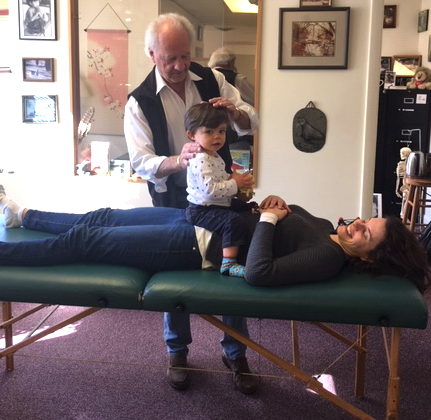
My name is Tommy Thompson. I have been teaching the Alexander Technique for over fifty years, having begun my career as an actor, stage director and professor. In 1975, having resigned my tenure as a University professor from Tufts University in Boston, Massachusetts I founded The Alexander Technique Center at Cambridge as sole principal teacher and Director. Now, still the center’s principal teacher I have welcomed thousands of people, young and old, ranging from infants, children, teens and adults to experience an entirely different way of experiencing their life-a life more fulfilling with regard to fulfilling hopes, dreams and aspirations with less or no pain, discomfort and habits that bind one to having to live a life that provides no real joy in experiencing who you are, consciously or unconsciously.
Each person comes for a different set of reasons, always motivated by a need to be addressed, whether emotional, physical, spiritual or bound by habitual patterns of behavior which limit the full expression of their lives. Their needs vary from chronic pain from previously diagnosed traumas, accidents, repetitive strain, birth injuries, emotional and spiritual malaise.
For example, musicians actors, dancers, and athletes come looking to improve their performance while minimizing the risks of repetitive stress injury. Many people, including children and teens, always accompanied by their parents come in struggling with pre-diagnosed chronic pain and trauma. Usually, they have tried modality after modality, often to little avail, and are desperate for a solution to their particular issue.
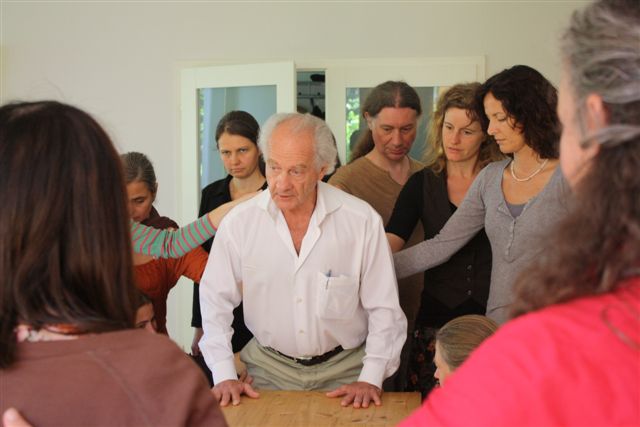
People who wish to train to teach the work come in, already deeply touched by the principles of the Technique, eager to become teachers themselves and pass along to others what might have transformed their own lives as it did mine.
The musicians, actors, dancers, and athletes generally do find improvements in their performance and a more sustainable use of themselves in practicing their crafts. People from all walks of life, including children and teens in chronic pain physically and emotionally from trauma or confusion do find significant and quite often lasting relief.
Students of the Technique do learn the skills and concepts necessary to teach if motivated to do so.
However , what I find most inspiring and rewarding is that everyone, to a greater or lesser degree, also comes away with a deeper sense of the profound majesty of the potential inherent in each human being. The Technique offers this insight – which takes a lifetime to truly explore and develop, that if we can lessen our commitment to seeing as we usually see, reaching for who we think we need to be in a given moment and reacting as we habitually react, then we can be more fully present for ourselves and to the people with whom we share our lives.
So welcome to the Alexander Technique Center at Cambridge. I look forward to assisting you however I might be of value to you. Please explore this website and see whether what I teach and express through my book and writings might possibly speak to what you wish to hear and experience.
Tommy Thompson
BA, MA, Phd (ABD)
ATI certified (Alexander Technique International)
Life achievement, ATI
Read Tommy’s Bio Here
What To Expect from an Alexander Technique Lesson?
Most of us have no idea how much of daily movement is habitual. We sit down in a chair, reach for a cup, walk across a room, or settle in at a desk without giving the action a second thought. That is partly what makes habits so interesting. They become familiar enough to disappear from our attention. We may habitually tighten the neck when concentrating, pull the shoulders upward when under pressure, or brace ourselves before doing something we expect to be difficult. None of this necessarily feels unusual because it has been repeated so often. The Alexander Technique starts with something quite simple: noticing. Before trying to change a pattern, we learn to recognize it as it is happening.
Awareness Is Not the Same as Correction
At the Alexander Technique Center at Cambridge, we approach awareness differently from the usual advice to “fix” posture or simply try harder to move correctly. A person can straighten their back while remaining just as tense as before. They can also be told to relax and end up making a conscious effort to relax, which rather defeats the purpose. Alexander Technique work asks us to pay attention to the way we are using ourselves, including the amount of effort involved. That distinction matters. We are not looking for a perfect position to hold. We are learning to observe what we are doing and to interrupt the automatic impulse to keep doing it in the same way.
Why Familiar Patterns Can Be So Persistent
A habit is not necessarily harmful. Much of ordinary life depends on learned patterns, and there would be little point in consciously directing every movement we make. The problem comes when a pattern becomes inappropriate for what we are actually doing, yet continues because it is familiar. Think about someone working at a computer for several hours. They may gradually move closer to the screen, tighten their jaw, restrict their breathing, and stop noticing how much effort they are using. None of those changes happen with a clear decision. They accumulate quietly. Greater awareness gives us a chance to catch these shifts earlier, before they become the unquestioned way we approach an activity.
Learning to Notice Before Acting
One of the more useful things about Alexander Technique practice is the attention it brings to the moment just before an action. We often think of movement as beginning when we physically do something, but there is usually an intention or expectation beforehand. We decide to stand, speak, reach, lift, respond, or move somewhere. That preparation can carry its own habits. By becoming more attentive to that stage, we can begin to see how much we anticipate, brace, or organize ourselves before anything has actually happened. This is where the work becomes more interesting than a collection of posture tips. We are looking at the relationship between intention, attention, and movement.
What Might We Begin to Notice?
The observations can be very ordinary, which is precisely why they are useful. With practice, we may notice:
● Unnecessary tension in the neck or shoulders;
● Holding the breath while concentrating;
● Gripping or bracing before a familiar movement;
● Rushing through an activity without needing to;
● Changing posture in response to stress;
● Reacting physically before we have decided how we want to respond.
These observations are not a list of faults to eliminate. They are clues. Once we can recognize a recurring pattern, we have something concrete to explore instead of simply assuming that the way we have always done something is the only available option.
What This Means for Teachers
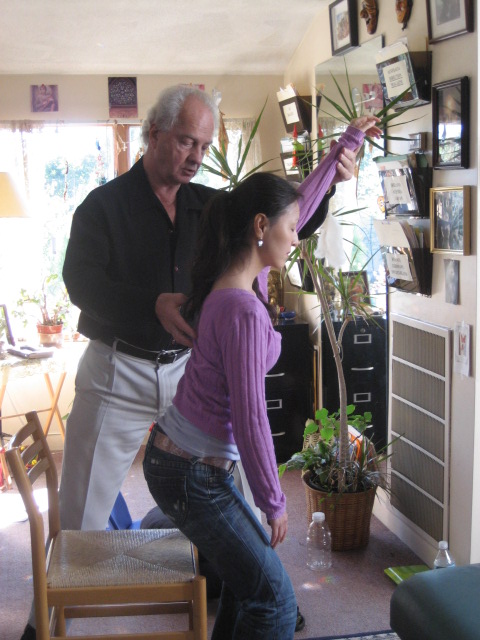
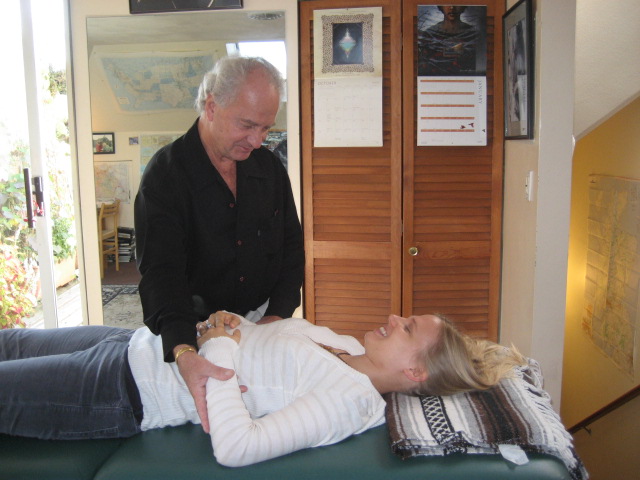
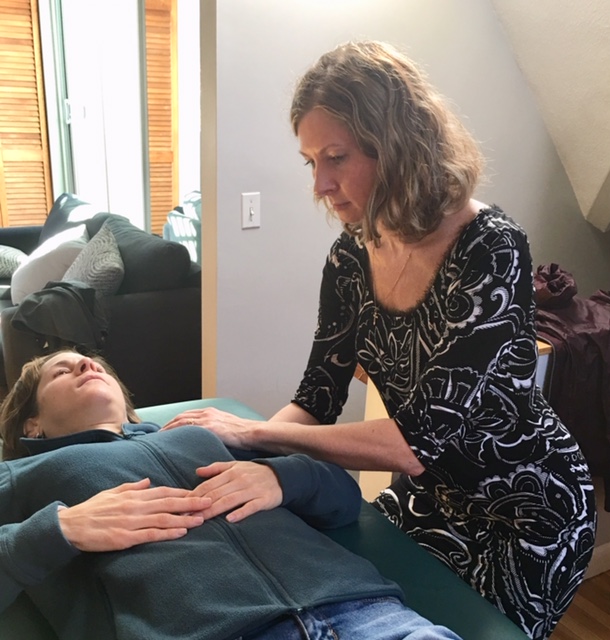
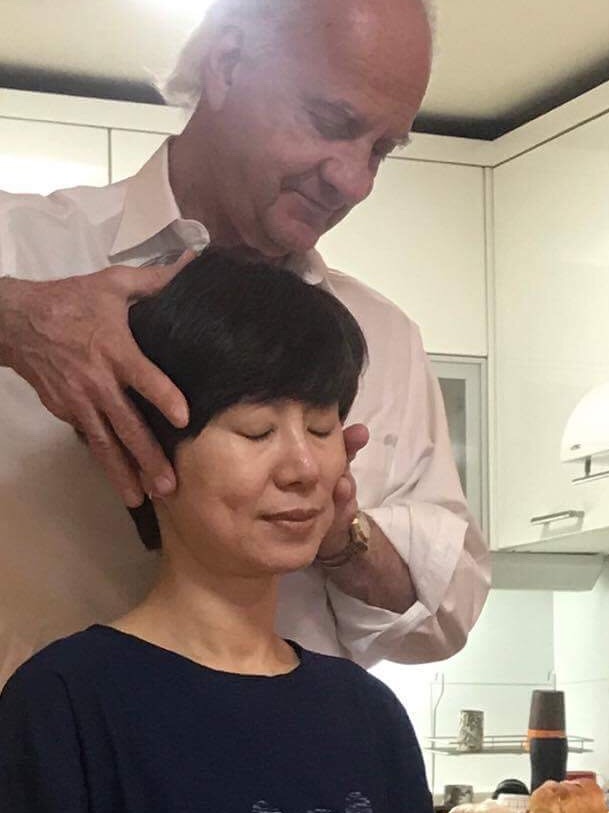
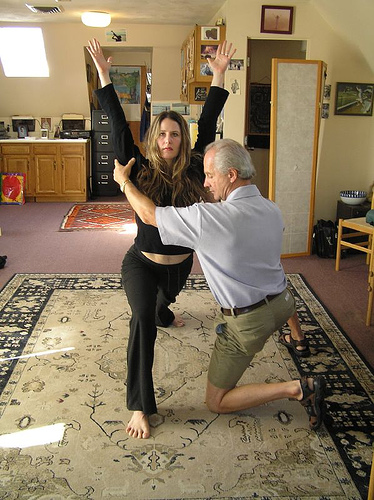
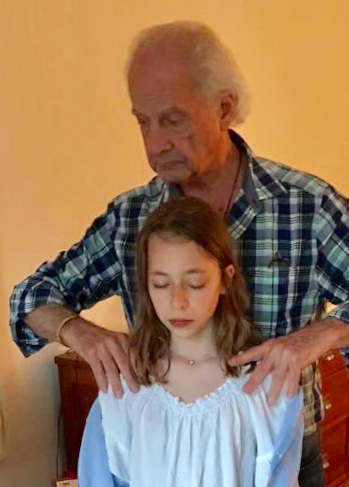
Teaching adds another layer to this work because a teacher is not only communicating information. We are also responding to another person in real time. We observe, demonstrate, listen, make decisions, and adjust our approach, often within a few seconds. Alexander Technique workshops for teachers (https://www.easeofbeing.com/workshops) can provide an opportunity to examine how our own habits influence that process. How we stand, move, touch, demonstrate, or react to a student's difficulty can affect the teaching relationship. Developing awareness does not mean becoming self-conscious about every movement. Quite the opposite. The aim is to become sufficiently attentive that we can respond to what is actually happening rather than relying automatically on a familiar teaching pattern.
Bringing the Work Into Ordinary Life
The real test of any useful practice is what happens when we leave the lesson. The Alexander Technique has practical relevance precisely because the situations in which habits appear are not unusual. We encounter them while walking to work, sitting at a desk, speaking in front of a group, playing an instrument, preparing a meal, or dealing with a stressful conversation. At the Alexander Technique Center at Cambridge, we encourage an approach that connects learning with these ordinary experiences. There is no need to manufacture special circumstances. A familiar activity can tell us quite a lot when we give ourselves enough attention to notice what is actually happening.
Conclusion
Awareness does not mean that every habit suddenly disappears. That would be an unrealistic expectation, and it misses the point. What changes is our relationship with the habit. Instead of automatically following the same response, we may begin to recognize it sooner and leave room for another possibility. That pause can be small, but it matters. The Alexander Technique Center offers a setting in which this kind of observation can be explored with guidance and practical experience. If you are curious about your own patterns and want to discover what greater awareness could change in the way you move, work, teach, or respond, explore our lessons and workshops and take the next step toward a more thoughtful use of yourself.
FAQs
1. What is the main purpose of the Alexander Technique?
The Alexander Technique helps us recognize habitual patterns and develop greater awareness of how we move, respond, and use ourselves.
2. How can the Alexander Technique help us become more aware of habitual patterns?
It encourages us to notice unnecessary tension, automatic reactions, and familiar movement patterns before trying to change them.
3. Can the Alexander Technique improve the way we approach everyday movement?
Yes, it can help us become more attentive to everyday movements and make more conscious choices about how we respond.
4. How can teachers benefit from Alexander Technique training and workshops?
Teachers can explore how awareness, movement, presence, and communication influence their teaching and relationships with students.
5. How can Alexander Technique awareness be applied outside of lessons?
Its principles can be explored during everyday activities such as walking, working, speaking, teaching, and responding to stressful situation.
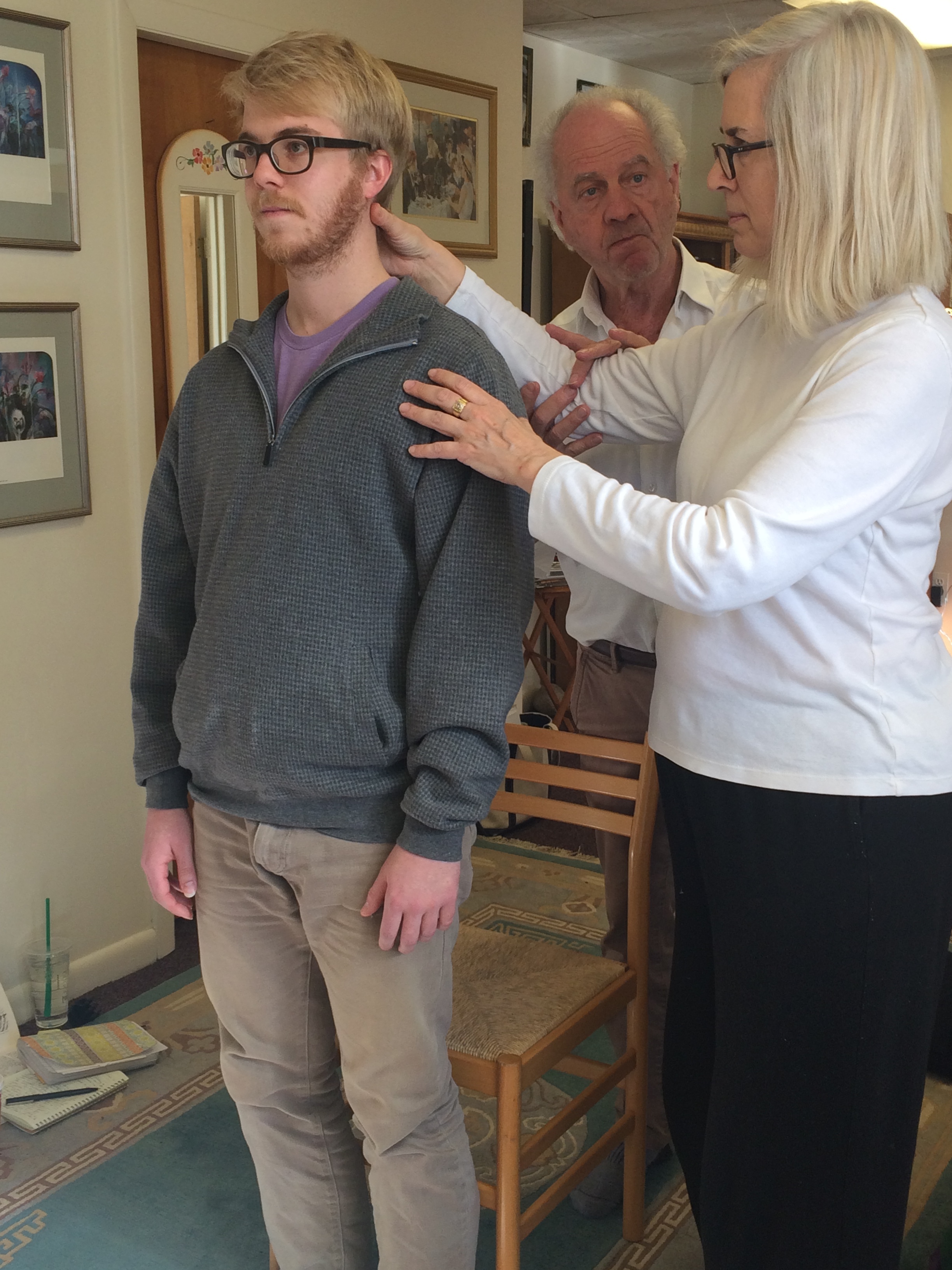
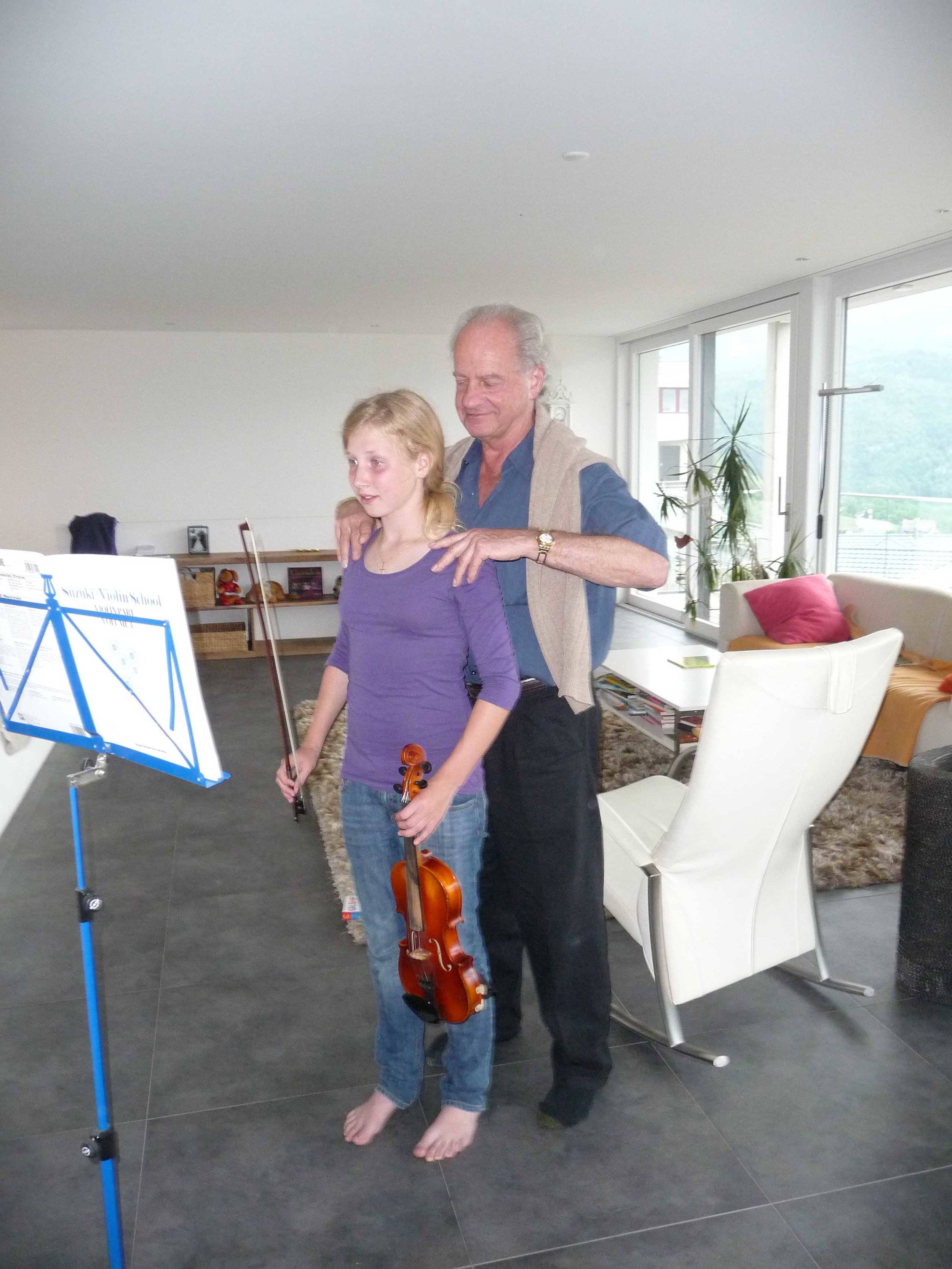
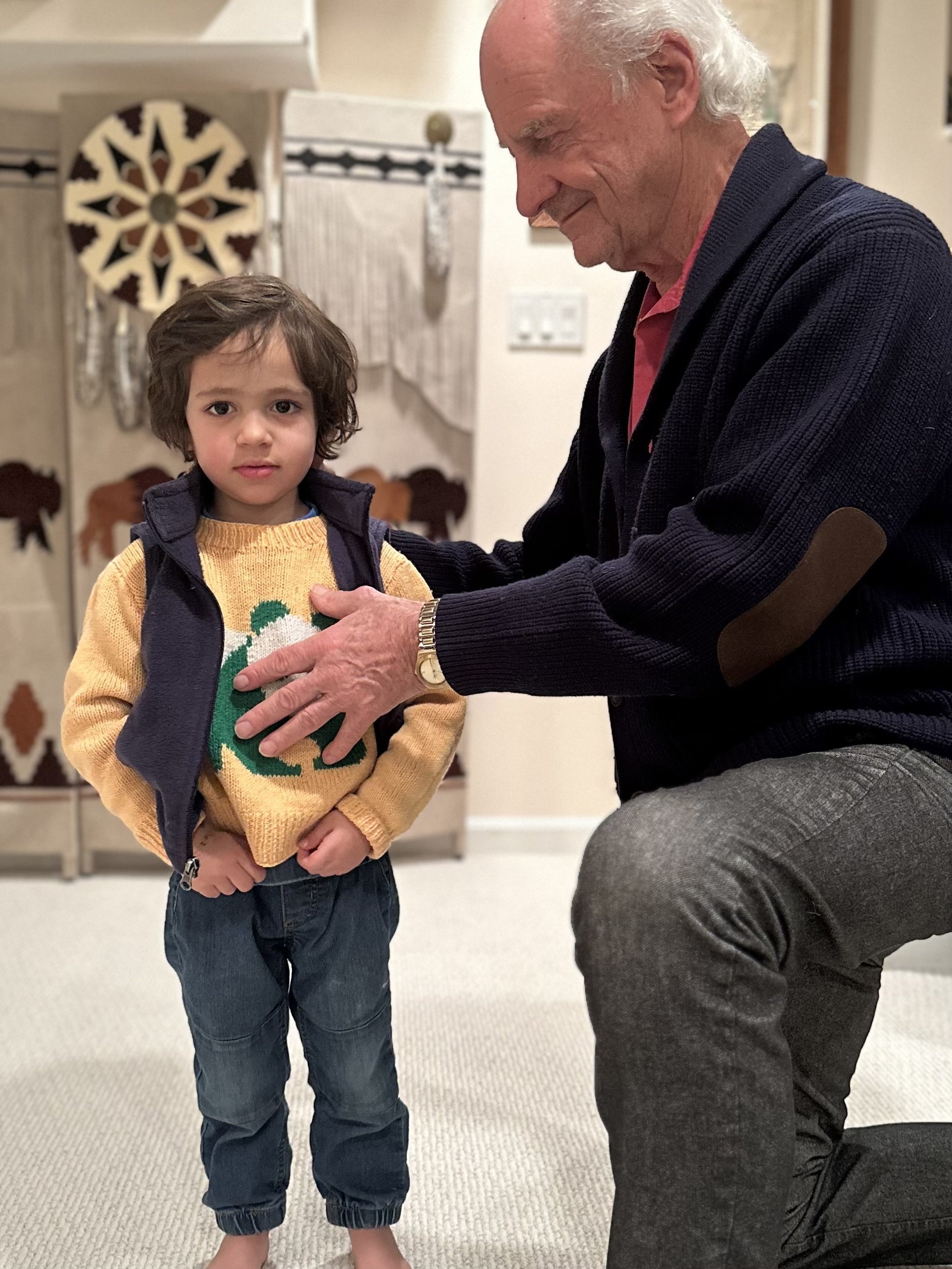




“I will never try to know you, I will always try to see you.”
A NEW BOOK BY TOMMY HAS JUST BEEN PUBLISHED !
Touching Presence by Tommy Thompson (with Rachel Prabhakar)

Click on the picture for more information.
Enter into the teaching space of Alexander Technique teacher and trainer, Tommy Thompson. With compassion and integrity, Tommy’s teaching explores the ways in which each of us can belong to the moment and stop defining ourselves by our habits. With its insightful, moving reflections, Touching Presence will inspire Alexander Technique teachers, trainees, students — and indeed anyone — to find their own path to being more fully present for themselves, and the person in front of them.
“Touching Presence is a seminal book about the Alexander Technique and it is filled with delightful vignettes, rich moments of teaching, and an honesty that awakens all of us.”